INDIAN CLASSICAL DANCES
NATARAJ GOD OF DANCE




NATARAJ GOD OF DANCE
Natraj called Lord Shiva is Creator of Dance and God of Distroyer. We all know about String theory. Whole universe is nothing but Tune of Music and it highly impact on human body. its create healthy mind and body. dance of whole world creats healthy mind so all dancer and singer are sharp minded.
Now we will start from India to all countries step by step.
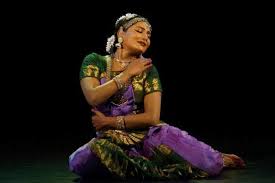
Bharatnatyam
Bharatnatyam is more
popular in South Indian
states. This dance is almost
2,000 years old.
This dance flourished in
the Hindu temples of
South India.
Bharatanatyam, a
pre-eminent Indian classical dance form presumably the oldest classical dance
heritage of India is regarded as mother of many other Indian classical dance
forms. Conventionally a solo dance performed only by women, it initiated in the
Hindu temples of Tamil Nadu and eventually flourished in South India.
Theoretical base of this form traces back to ‘Natya Shastra’, the ancient
Sanskrit Hindu text on the performing arts. A form of illustrative anecdote of
Hindu religious themes and spiritual ideas emoted by dancer with excellent
footwork and impressive gestures its performance repertoire includes nrita,
nritya and natya. Accompanists include a singer, music and particularly the
guru who directs and conducts the performance. It also continues to inspire
several art forms including paintings and sculptures starting from the
spectacular 6th to 9th century CE temple sculptures.
Ref: https://www.culturalindia.net/indian-dance/classical/bharatnatyam.htmlKathakali
‘Kathakali’, an important genre in the Indian classical dance form, is associated with storytelling form of this art. It is the dance drama from the south Indian state of Kerala. Similar to other Indian classical dance arts, the story in ‘Kathakali’ is also communicated to audience through excellent footwork and impressive gestures of face and hands complimented with music and vocal performance. However it can be distinguished from the others through the intricate and vivid make-up, unique face masks and costumes worn by dancers as also from their style and movements that reflect the age-old martial arts and athletic conventions prevalent in Kerala and surrounding regions. Traditionally performed by male dancers, it developed in courts and theatres of Hindu regions contrary to other Indian classical dances which predominantly developed in Hindu temples and monastic schools. Although not clearly traceable, this classical dance form is considered to have originated from temple and folk arts that trace back to 1st millennium CE or before.
Ref: https://www.culturalindia.net/indian-dance/classical/kathakali.html
Kathak
Kathak is one of the main genres of ancient Indian classical dance and is traditionally regarded to have originated from the travelling bards of North India referred as Kathakars or storytellers. These Kathakars wandered around and communicated legendary stories via music, dance and songs quite like the early Greek theatre. The genre developed during the Bhakti movement, the trend of theistic devotion which evolved in medieval Hinduism. The Kathakars communicate stories through rhythmic foot movements, hand gestures, facial expressions and eye work. This performing art that incorporates legends from ancient mythology and great Indian epics, especially from the life of Lord Krishna became quite popular in the courts of North Indian kingdoms. Three specific forms of this genre that is three gharanas (schools), which mostly differ in emphasis given to footwork versus acting, are more famous namely, the Jaipur gharana, the Benaras gharana and the Lucknow gharana.
Ref: https://www.culturalindia.net/indian-dance/classical/kathakali.html
Manipuri
Manipuri dance is counted among major classical dance forms of India, especially noted for themes based on Vaishnavism and spectacular execution of ‘Ras Lila’, dance dramas based on love between Radha and Krishna. Other themes included in this art form associate with Shaktism, Shaivism and on the sylvan deities called Umang Lai during Manipuri festival ‘Lai Haraoba’. This dance form is named after the north-eastern state of Manipur, India from where it originated but it has its roots in ‘Natya Shastra’, the age-old Sanskrit Hindu text. A mix of Indian and southeast Asian culture is palpable in this form. The age-old dance tradition of the place is manifested from great Indian epics, ‘Ramayana’ and ‘Mahabharata’, where the native dance experts of Manipur are referred as ‘Gandharvas’. The Manipuris perform this religious art that aims at expressing spiritual values during Hindu festivals and other important cultural occasions like marriage.
Please Visit below Site for Dance
Ref: https://www.culturalindia.net/indian-dance/classical/kathakali.html


No comments:
Post a Comment